
2010 in review

The stats helper monkeys at WordPress.com mulled over how this blog did in 2010, and here’s a high level summary of its overall blog health:

Healthy blog!

The Blog-Health-o-Meter™ reads Fresher than ever.

Crunchy numbers
Featured image

The average container ship can carry about 4,500 containers. This blog was viewed about 14,000 times in 2010. If each view were a shipping container, your blog would have filled about 3 fully loaded ships.

In 2010, there were 236 new posts, growing the total archive of this blog to 422 posts. There were 34 pictures uploaded, taking up a total of 3mb. That’s about 3 pictures per month.

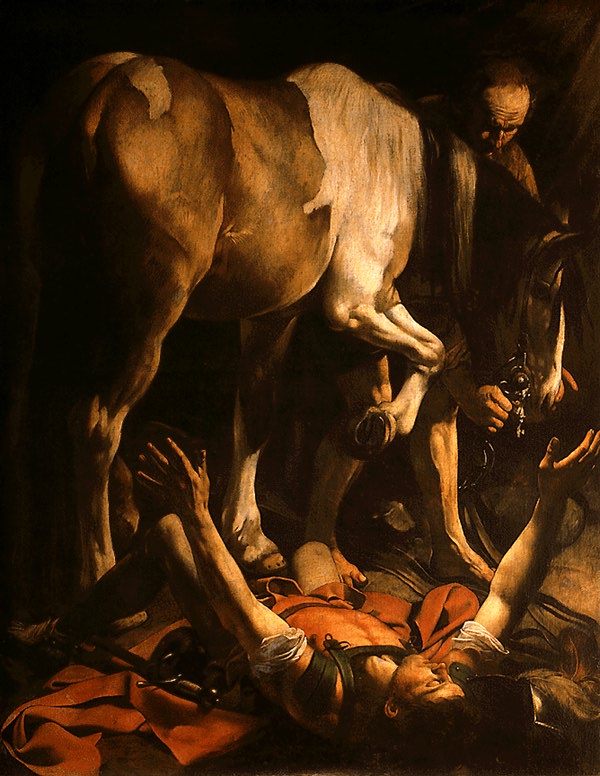
The busiest day of the year was April 19th with 113 views. The most popular post that day was The Conversion of St. Paul (or another excuse for posting a Caravaggio image).

Where did they come from?

The top referring sites in 2010 were graceec.org, facebook.com, blogger.com, en.wordpress.com, and thedailypage.com.

Some visitors came searching, mostly for caravaggio, bible verse tattoos, bible tattoo verses, conversion of st. paul, and conversion of st paul.

Attractions in 2010

These are the posts and pages that got the most views in 2010.

1

The Conversion of St. Paul (or another excuse for posting a Caravaggio image) January 2010
1 comment

2

Caravaggio’s “Madonna of the Loreto” January 2010

3

The Prodigal Son–A Sermon for the 4th Sunday in Lent March 2010

4

Martha, Mary, and the Better Part: A Sermon for the 8th Sunday after Pentecost (Proper 11, Year C) July 2010

5

Sermon for the Third Sunday in Lent, March 7, 2010 March 2010

New perspectives on medieval warfare

A recent archaeological find has upended traditional views of medieval warfare (and medieval culture, too). Discovery of a mass grave in Towton, England, that dates from the Wars of the Roses has allowed scholars to learn a great deal about warfare and even living conditions. Contemporary accounts estimate 28,000 men were killed in the battle that occurred in December 1460 and a modern scholar estimates that as many as 75,000 men fought that day, 10% of the country’s fighting-age population.

Among the discoveries: the first use of lead shot in England, and perhaps a fragment of the first handgun. More interestingly was the extent of injuries to the dead. In addition to evidence of wounds from earlier battles, many of those killed were struck multiple times.

Most interesting to me was this:

Yet as a group the Towton men are a reminder that images of the medieval male as a homunculus with rotten teeth are well wide of the mark. The average medieval man stood 1.71 metres tall—just four centimetres shorter than a modern Englishman. “It is only in the Victorian era that people started to get very stunted,” says Mr Knüsel. Their health was generally good. Dietary isotopes from their knee-bones show that they ate pretty healthily. Sugar was not widely available at that time, so their teeth were strong, too.

That leads to a reassessment of the late-medieval standard of living, at least in England. BTW, 1.71 m is roughly 5’7″. And the savagery puts paid to the notion of gallantry and chivalry in medieval warfare.

The full story is here.