
The stats helper monkeys at WordPress.com mulled over how this blog did in 2010, and here’s a high level summary of its overall blog health:

The Blog-Health-o-Meter™ reads Fresher than ever.
Crunchy numbers
The average container ship can carry about 4,500 containers. This blog was viewed about 14,000 times in 2010. If each view were a shipping container, your blog would have filled about 3 fully loaded ships.
In 2010, there were 236 new posts, growing the total archive of this blog to 422 posts. There were 34 pictures uploaded, taking up a total of 3mb. That’s about 3 pictures per month.
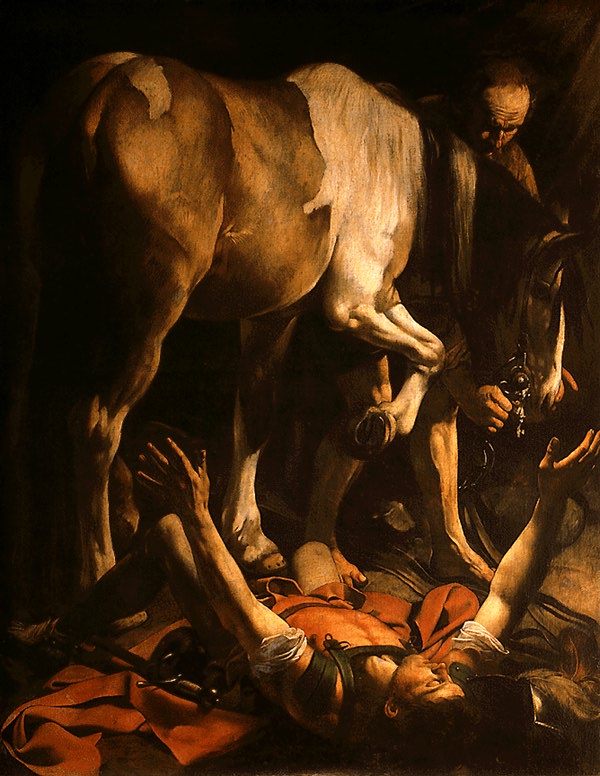
The busiest day of the year was April 19th with 113 views. The most popular post that day was The Conversion of St. Paul (or another excuse for posting a Caravaggio image).
Where did they come from?
The top referring sites in 2010 were graceec.org, facebook.com, blogger.com, en.wordpress.com, and thedailypage.com.
Some visitors came searching, mostly for caravaggio, bible verse tattoos, bible tattoo verses, conversion of st. paul, and conversion of st paul.
Attractions in 2010
These are the posts and pages that got the most views in 2010.
The Conversion of St. Paul (or another excuse for posting a Caravaggio image) January 2010
1 comment
Caravaggio’s “Madonna of the Loreto” January 2010
The Prodigal Son–A Sermon for the 4th Sunday in Lent March 2010
Martha, Mary, and the Better Part: A Sermon for the 8th Sunday after Pentecost (Proper 11, Year C) July 2010
Sermon for the Third Sunday in Lent, March 7, 2010 March 2010
 Preaching Grace on the Square
It is very encouraging to see that your blog is attracting a growing readership. Having missed the original posting re: St. Paul, I went back to see what you had to say about the Caravaggio painting and how, exactly it related to the various accounts of St. Paul’s epiphany. The scene is certainly disturbing; an older man stands barefooted holding the bridle of a what appears to be a war-horse. He seems to be directing the horse to stomp a young soldier who has fallen to the ground and lost his weapon. Or perhaps the soldier has been thrown from the horse and the peasant has caught it and is holding it until he remount?
So my question is, what does that have to do with St. Paul? Is it an indirect reference to Saul’s presence at the stoning of St. Stephen? Is the older man an image of Paul and the horse a symbol of the Church trampling out the Roman tyrant? I suspect you had something else in mind. and I remain curious to know what. Thanks for another fascinating post.